


The two-day single theme workshop on “Neonatal Neurological Disorders” concluded today at the Advanced Paediatric Centre, PGIMER.
The morning session had three fascinating lectures delivered by the respective experts in the field. Dr Jogender Kumar, the joint organising secretary, spoke about the diagnosis and treatment of seizures (fits) in newborns. He emphasised that recent research had clearly shown that the vast majority of abnormal movements in newborns that are thought to be fits both by laypersons and even by experts are actually not fits, and on the converse, a large number of fits that are picked up on EEG studies of brain waves do not manifest as externally visible fits but they still damage the brain. He said that every paediatric facility that takes care of sick newborn babies must have continuous EEG monitoring facilities otherwise they will either overdiagnosis or underdiagnose fits. Prof Naveen Sankhyan spoke about the potentially devastating effects of low blood glucose levels in the early newborn period. He said that a sizeable proportion of children who present with very difficult to treat epilepsy have a history of low blood glucose in early life.
Dr Naveen Jain, an expert on long-term neurodevelopment, spoke about the need to have a structured follow-up program for high-risk newborn babies. He said that every follow-up visit must have a specific purpose and a plan of action which must be clearly conveyed to the parents.
In the prelunch session, Dr Bharti Sharma from the Department of Gynecology in PGI spoke about various protective strategies that Gynecologists can use during pregnancy to try and protect the brain of the newborn infant.
Two important interventions are the use of injection magnesium sulphate and injection steroids in threatened preterm delivery. Dr Sajan Saini spoke about the complex problem of hydrocephalus (excess water accumulating inside the brain) that sometimes folows bleeding inside the brain of preterm babies. He presented the currently accepted international guidelines for treating such patients. Dr Bijaylaxmi Behera spoke about the problem of brain strokes in newborn babies, their causes, modalities of diagnosis and treatment options. She said that some of these infants require low-dose heparin and occasionally aspirin to take care of the clots.
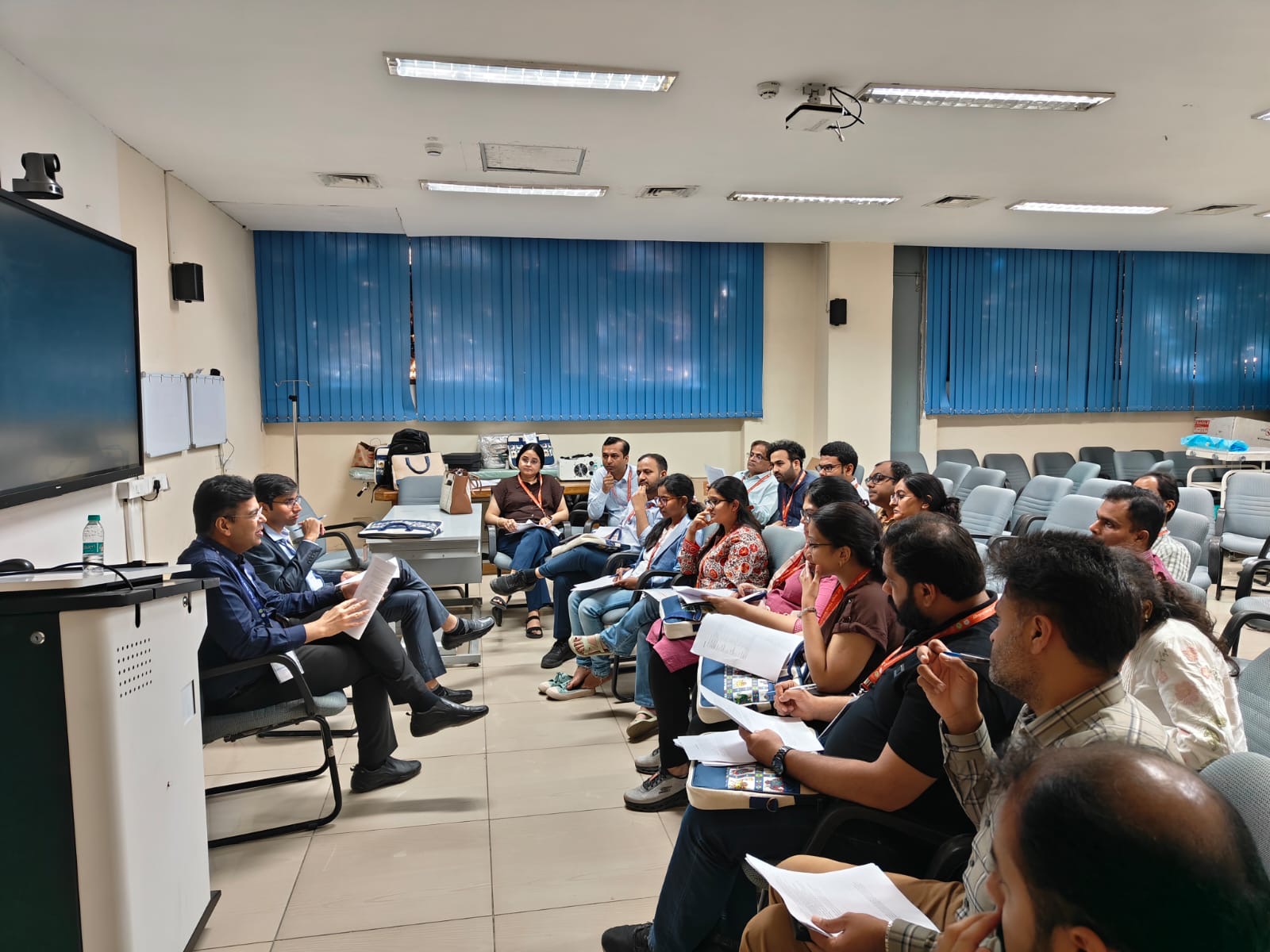
After lunch, the delegates participated in in-depth group discussions on three real-life case scenarios which involved newborn babies who had brain problems of various kinds.
Delegates got a chance to interact one-on-one with experts in the field. The real-life case scenarios included clinical data, laboratory results and ultrasound and MRI images wherever applicable. The cases included a preterm baby who had complications after brain bleeds, a mature baby who had brain damage due to very high jaundice, and a mature baby who failed to breathe the time of birth and went on to develop brain damage and fits.
In the feedback session, the delegates unanimously expressed great satisfaction with the format of single theme workshops in which a single topic is discussed in great depth over two days and in which there is ample scope for focused group discussions, time for interaction with experts, and hands-on workstations for improving practical skills.