

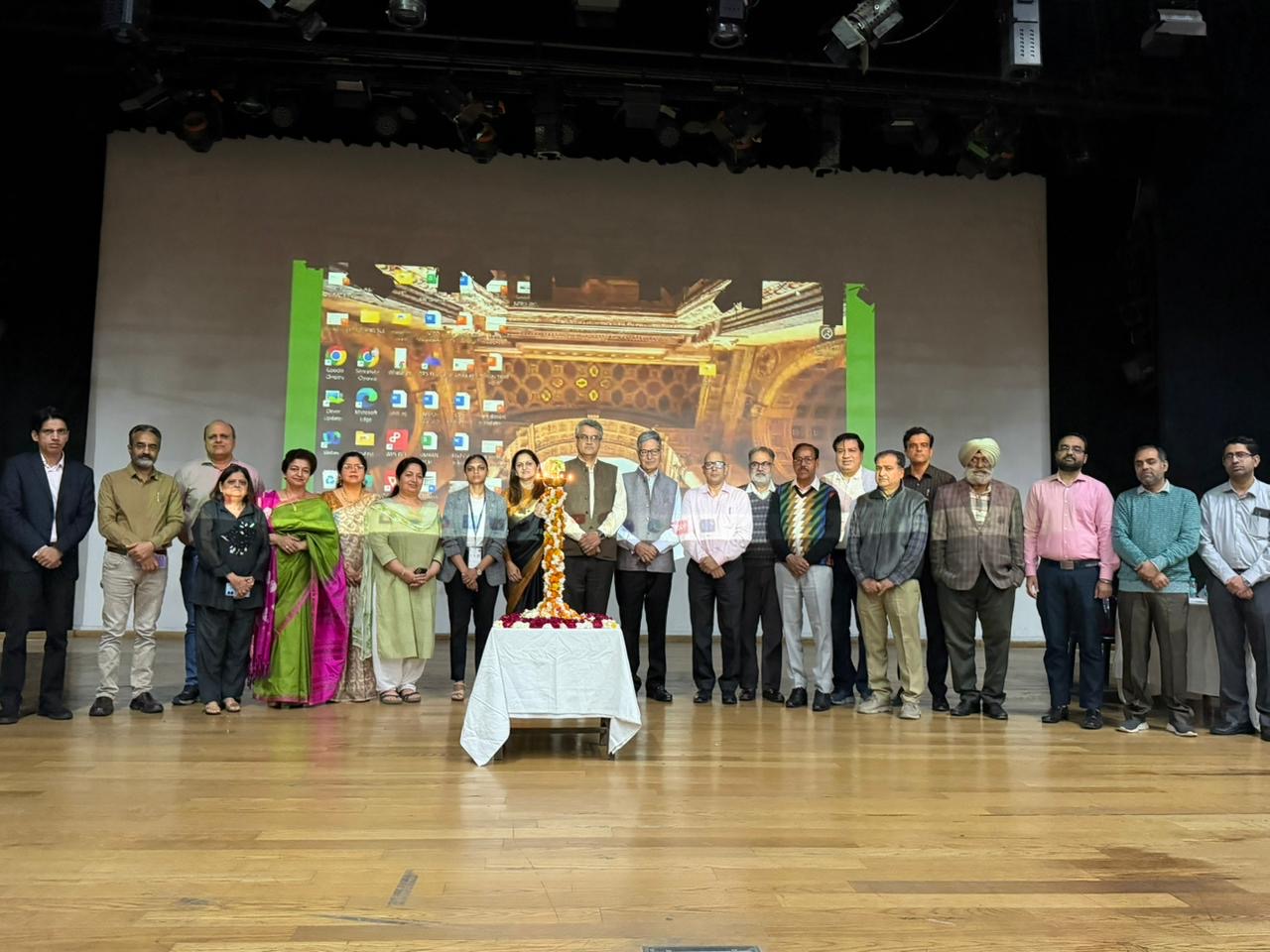
In a major push to bolster the medical response to rare genetic conditions, the Postgraduate Institute of Medical Education and Research (PGIMER), Chandigarh, conducted a comprehensive workshop at Government Medical College (GMC), Amritsar, on Wednesday.
Organised under the aegis of the Ministry of Health and Family Welfare, the event drew over 200 healthcare professionals, including faculty, residents, and medical officers from across the region.
As a designated Centre of Excellence (CoE) under the National Policy for Rare Diseases (NPRD) 2021, PGIMER is spearheading outreach efforts to decentralise diagnostic capabilities. Prof. (Dr.) Vivek Lal, Director of PGIMER, emphasised that while these diseases are individually rare, they collectively impact millions. “By sensitising clinicians at institutions like GMC Amritsar, we are building a first line of defence to ensure patients don’t go undiagnosed for years,” he stated.
Focus on Early Detection
The technical sessions, led by expert faculty, focused on identifying clinical “red flags” and navigating the referral pathways to specialized centres. Dr. Vijay Tadia, Nodal Officer for Rare Diseases at PGIMER, detailed the protocols for patient transfers, while Dr. Savita Attri briefed attendees on cutting-edge treatments, including enzyme replacement and gene-based interventions.
Financial Support and Policy
A key highlight of the workshop was a session by Dr. Babita from the Union Health Ministry, who outlined the financial provisions of the NPRD 2021. She noted that the policy provides up to ₹50 lakh in financial assistance per patient, supported by crowdfunding mechanisms and CoE-led drug procurement.
Multidisciplinary Approach
Prof. (Dr.) Manmeet Kaur Sodhi, Head of Pediatrics at GMC Amritsar, underscored the need for holistic care. She noted that managing rare diseases requires a “multidisciplinary team” approach, involving genetics, neurology, and social work to improve patient outcomes.
The event also featured a poster-making competition, where medical students showcased visual representations of rare disease challenges, a move the organisers said was vital for “investing in the future of compassionate care.”










 Loading ...